

El lema impulsor de la recerca del grup d’Energia Tèrmica i Edificació és una aproximació holística i sistèmica en l’estudi d’edificis i barris d’energia nul·la o positiva, que inclou l’anàlisi dels edificis i els entorns urbans als així com les infraestructures i sistemes energètics. L’activitat investigadora s’orienta a desenvolupar solucions tecnològiques, metodologies i a proporcionar eines de simulació que permetin als edificis, i agrupacions d’edificis, a contribuir en la transició energètica de la nostra societat. Aquest enfocament es complementa amb la validació experimental i la prova de nous components i/o equips, inclosos sistemes de control, gestió i flexibilitat, que es duen a terme al laboratori de l’IRECElLaboratori d’Integració Energètica Semi-Virtual (SEILAB) ubicat a Tarragona. Aquest, a més, es pot connectar amb l’Energy SmartLab ubicat a Barcelona, per testar polítiques d’agregació i estratègies de gestió en districtes.
- Nearly Zero Energy Buildings and Communities (nZEB) and flexible energy systems.
- Energy infrastructures for low-energy cities.
- Energy efficiency and renewables in data centers.
- Experimental techniques for the characterization of HVAC system performance.

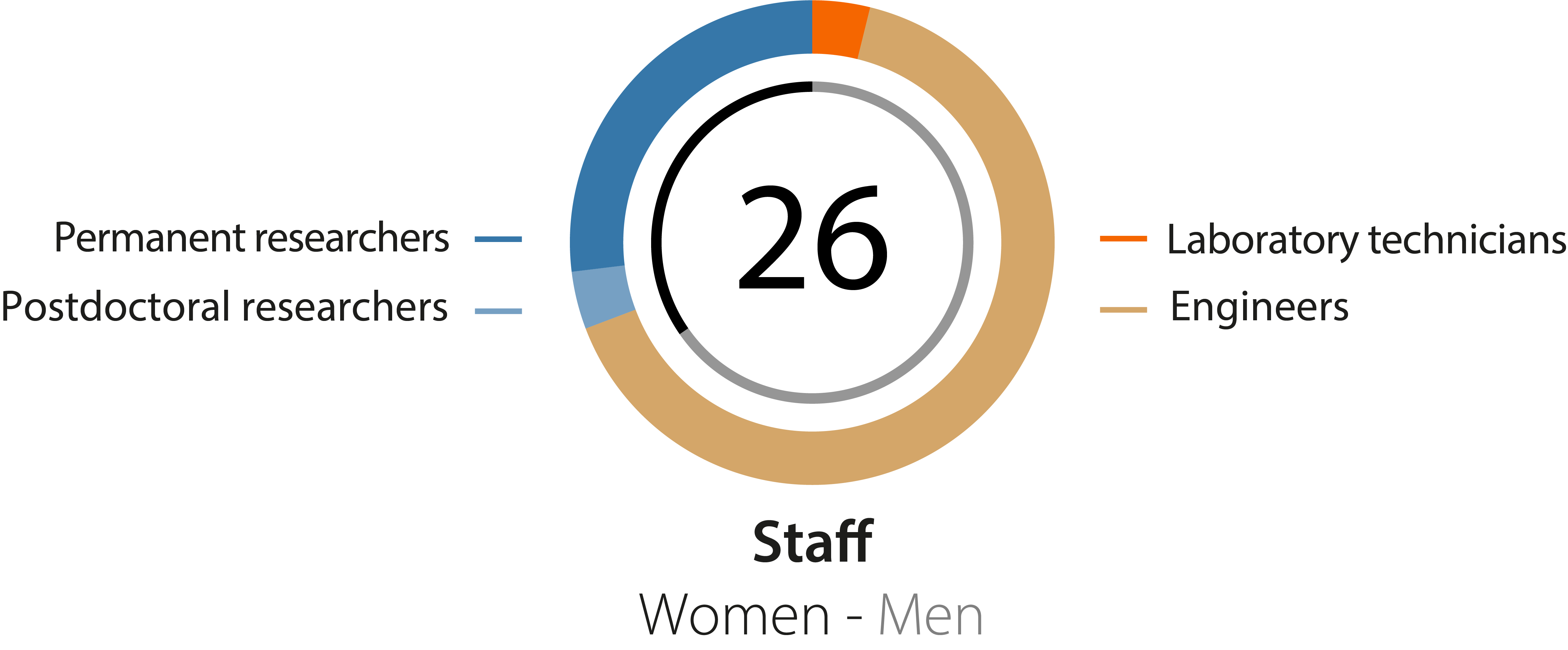

Resum de l'activitat 2021

Highlighted News and Results
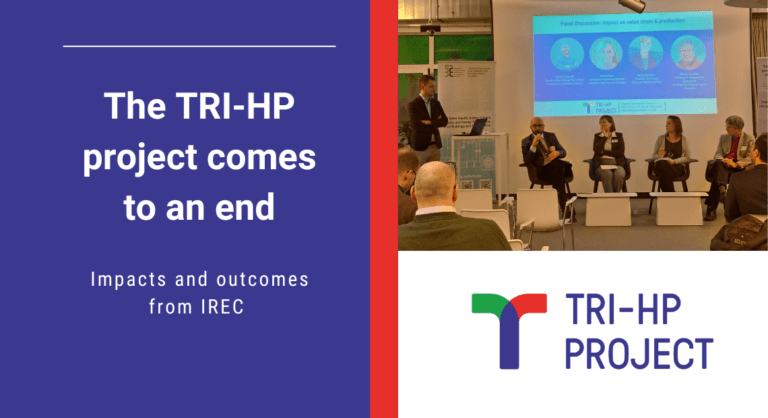 The TRI-HP project, concluding in Brussels in February 2023, developed two advanced heat pump systems for multi-family buildings: a dual-source model (air and geothermal) and a solar ice slurry model, both using eco-friendly refrigerants like propane and CO₂. IREC’s Thermal Energy and Building Performance and Energy Systems Analytics groups contributed an Advanced Energy Management System (AEMS), achieving 10% cost savings in Spanish climates, and created fault detection algorithms for reliability. A final workshop discussed the EU’s F-gas ban, with stakeholders debating the shift to natural refrigerants. Project results and videos are on its website. Link here.
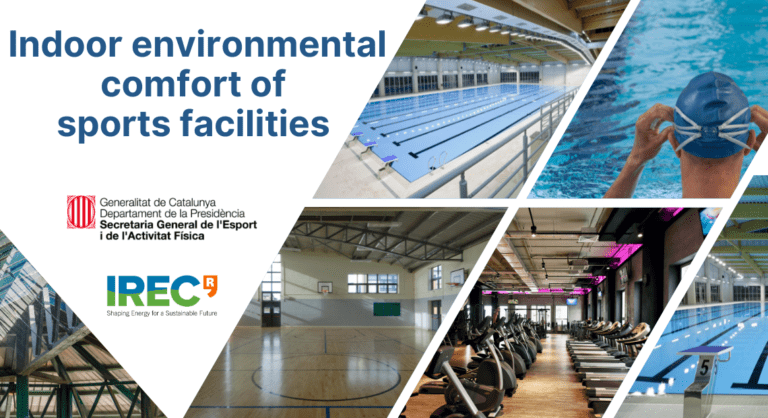 Since 2015, IREC and the Catalan Sports Council have collaborated to improve indoor environmental comfort and energy efficiency in Catalonia’s sports facilities. Led by IREC’s Thermal Energy and Building Performance group, the project has aimed to create nearly zero-energy buildings (nZEB) and improve air quality and comfort in indoor sports spaces, contributing to the 2030 Agenda and Sustainable Development Goals. Recent reports analyze Catalonia’s sports facility types, particularly weight and fitness rooms, and provide insights on best practices for comfort standards at multiple levels. This research supports Catalonia’s high level of physical activity by promoting healthier, more comfortable sports environments. Link here.
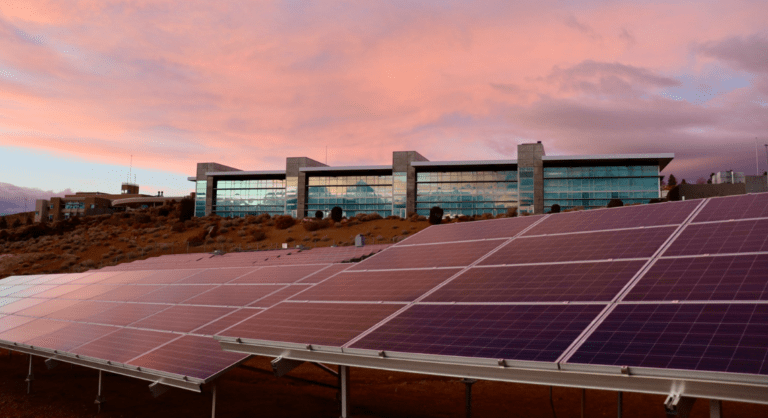 The SEACAP 4 SDG project, funded by the ENI CBC Med Programme, promotes climate adaptation in Mediterranean public buildings by enhancing energy efficiency and renewable energy use, especially in education and health. Involving nine partners, including IREC, the project builds on 14 research initiatives to create a toolkit for local energy refurbishments, saving 161,940 kWh and reducing CO₂ emissions by 57,735 kg in pilot buildings. Through “Living Labs,” it fosters collaboration among stakeholders to advance sustainable energy strategies, with final guidance now available to support municipalities. Link here.
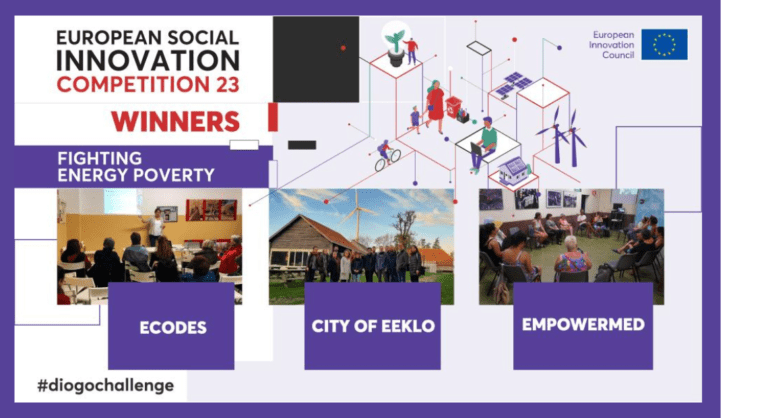 On November 15, 2023, the European Commission announced the winners of the European Social Innovation Competition, which encourages social innovations to tackle societal challenges. This year’s theme was “fighting energy poverty,” with solutions targeting areas like energy monitoring, awareness, and consumption. The winners—City of Eeklo (Belgium), EmpowerMed (led by Focus, Slovenia), and Fundación Ecología y Desarrollo (ECODES, Spain)—each received €50,000. EmpowerMed, which includes partners like IREC, introduced “Collective Advisory Assemblies” (CAAs) to support people struggling with energy costs through community sessions focused on energy access and affordability. Link here.
- Data center with pilot fuel cells with heat reuse for districts and buildings
- Experimental testing of heat pump controllers with Open ADR demand management protocols.