The Nanoionics and Fuel Cells group tackles the challenge of developing highly efficient and clean solid-state energy conversion technologies to drive a sustainable society. We use our knowledge of ionic, electronic, and thermal transport combined with expertise in advanced manufacturing to develop new energy concepts ranging from microwatts to kilowatts.
- Fundamentals of ionic and iontronic in the solid state.
- Solid oxide cells for hydrogen production and energy generation
- Solid-state lithium-ion batteries.
- Key enabling technologies (thin films, 3D printing, and machine learning).


Destacats 2023

Highlighted News and Results
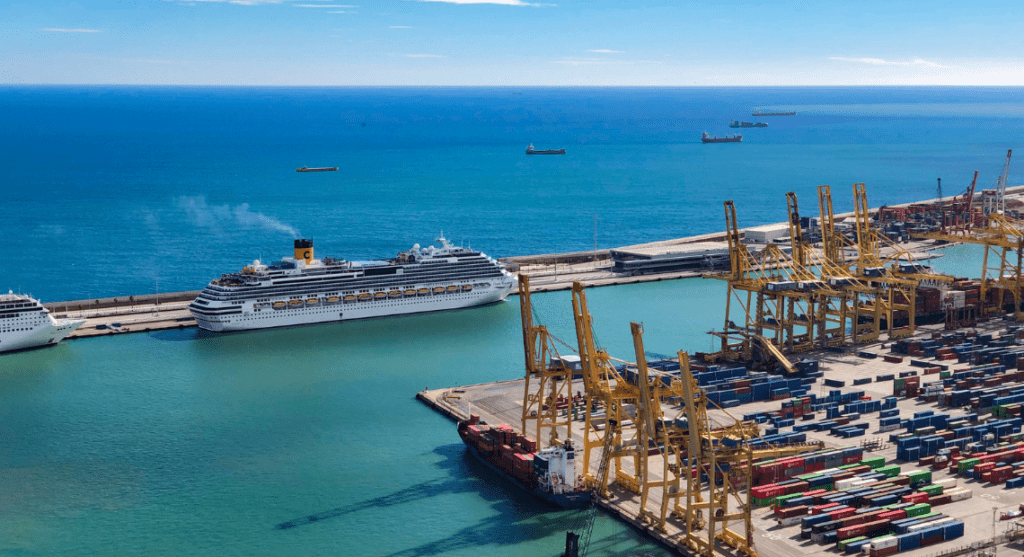 The SUPORT project, led by IREC’s Nanoionics and Fuel Cells group, aims to capture CO₂ emissions and convert them into sustainable marine fuel, supporting cleaner maritime transport. Operating at the Port of Barcelona, this three-year, €820,000 project captures CO₂ from biogas at the port’s water treatment facility. The Nanoionics and Fuel Cells group at IREC is developing a co-electrolyser to transform CO₂ and water into syngas, which is then converted into marine fuel via a Fischer-Tropsch reactor, managed by IREC’s Energy Storage, Harvesting, and Catalysis group. This project makes CO₂ capture economically viable and fosters sustainable fuel solutions for port operations. Link here.
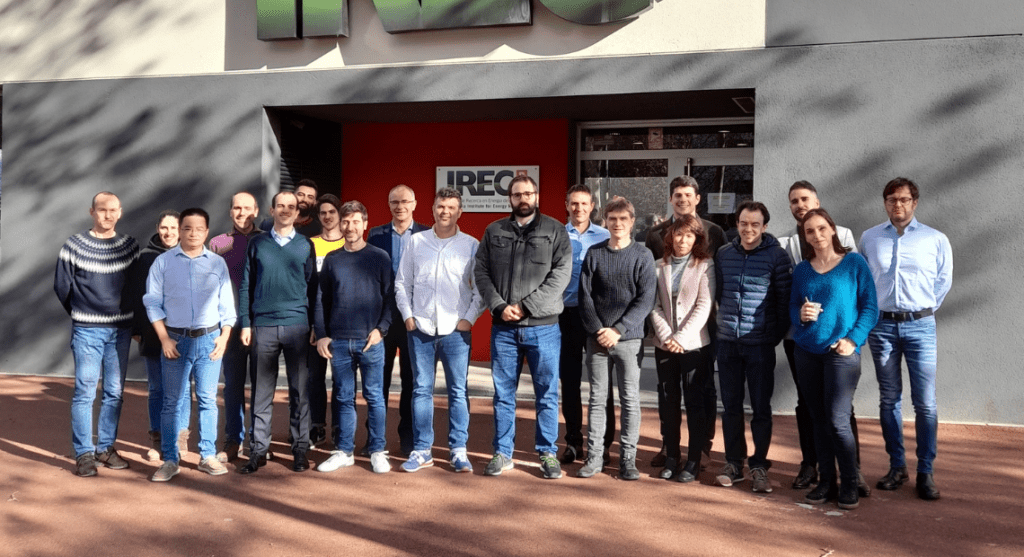 The HyP3D project, coordinated by IREC’s Nanoionics and Fuel Cells group led by Prof. Albert Tarancón, aims to advance high-pressure hydrogen production using innovative 3D-printed Solid Oxide Electrolysis (SOEL) stacks. With a €2.5M budget and three-year timeline, HyP3D seeks to create ultra-compact, lightweight SOEL stacks that convert electricity into compressed hydrogen for gas grid injection and Hydrogen Refueling Stations. The project involves eight European partners, combining expertise in 3D printing, electrolysis, and materials, to support efficient hydrogen production for energy storage and transport applications. Link here.
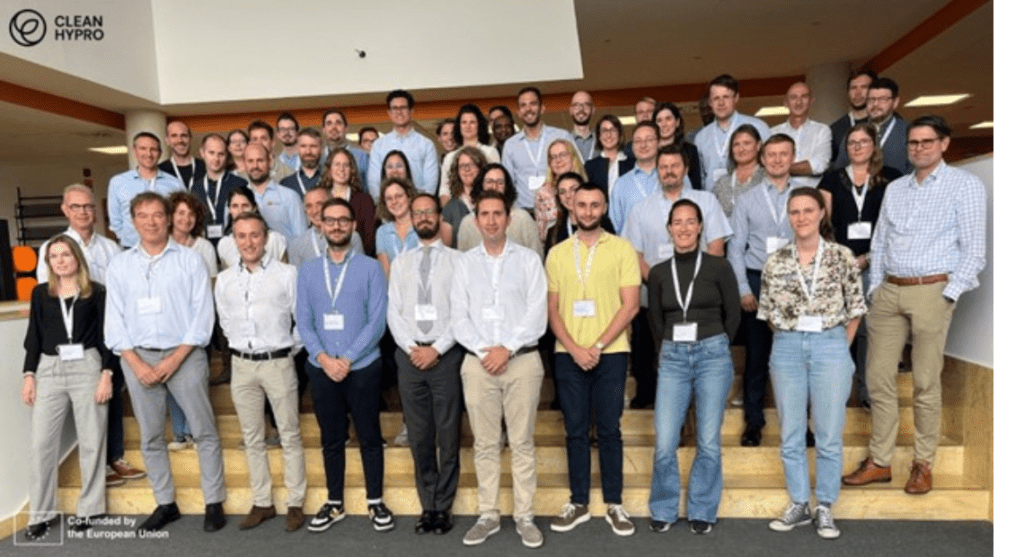 CLEANHYPRO is the largest European R&D initiative focused on advancing electrolysis technologies for clean hydrogen production, with a €13.77 million budget, including €11.72 million in funding. Over the next four years, this project aims to become the first Open Innovation Test Bed (OITB) for hydrogen, driving innovations and bringing electrolysis technologies closer to market. The project’s 28 partners will collaborate on creating a platform to assist companies in areas like characterization, modeling, and regulation. Researchers from IREC’s Nanoionics and Fuel Cells group, including Prof. Albert Tarancón, are leading the high-temperature electrolysis manufacturing pilot line. The project kicked off in October 2023 in San Sebastián, Spain, marking the start of its mission to revolutionize clean hydrogen production. Link here.
I REC participated in the 16th Festa de la Ciència in Barcelona, held on June 10th and 11th, engaging the local community with over 170 activities organized by various research centers. The Nanoionics and Fuel Cells group at IREC hosted several events, including the “Dones amb molta Energia” session on June 10th, celebrating women in science, and a debate on the future of mobility, comparing hydrogen and lithium, on June 11th. Additionally, activities focused on nanomaterials and sustainable energy, led by IREC researchers, explored the future of cities. The event successfully promoted scientific knowledge and curiosity among attendees. Link here.
Ohter highlighted achievements in 2023
- First demonstration of a complete set of solid oxide cells (SOC) manufactured with 3D printing technologies.
- First harvester synergistically combining harvesting and storage in a single device.